Titanic Belfast
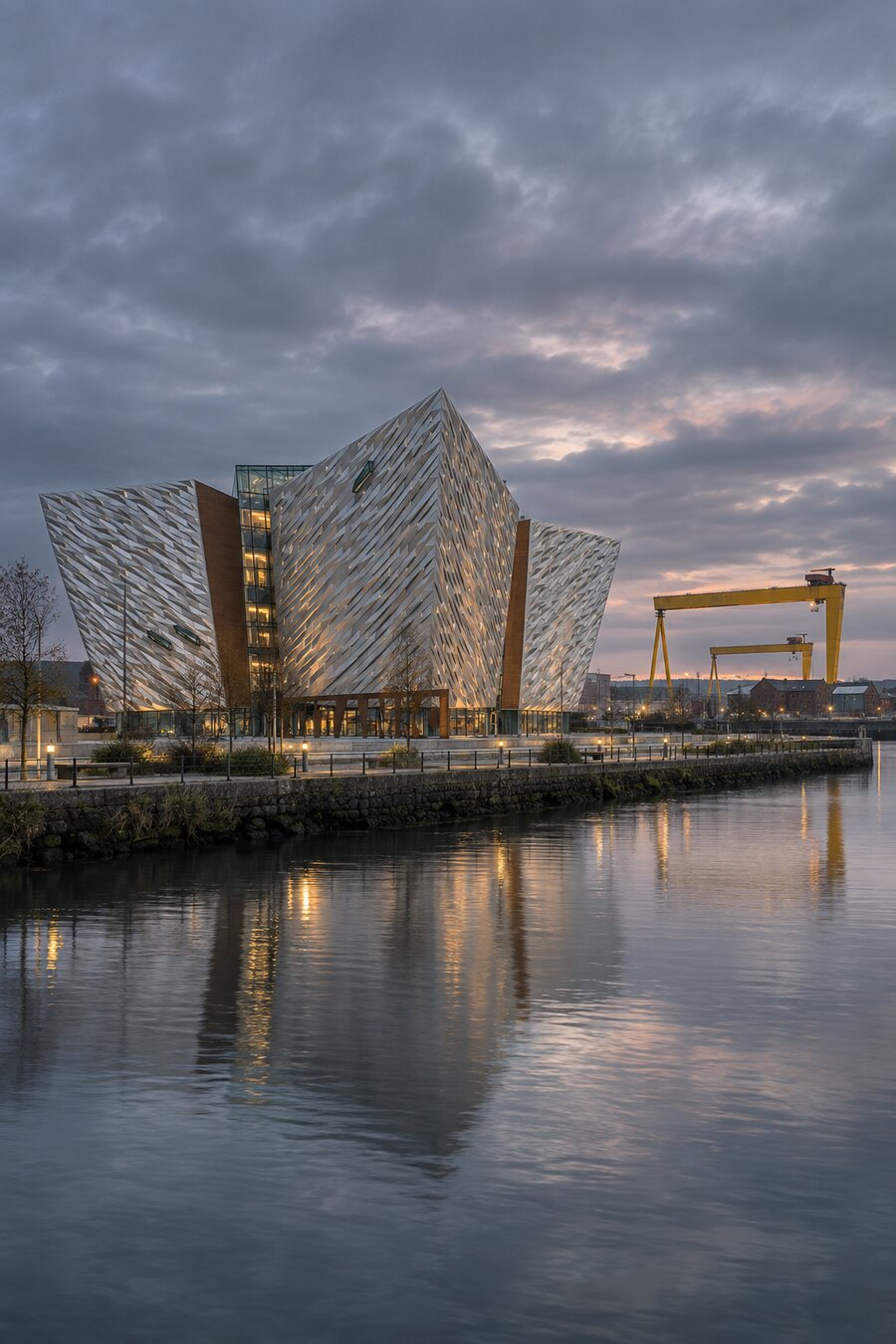
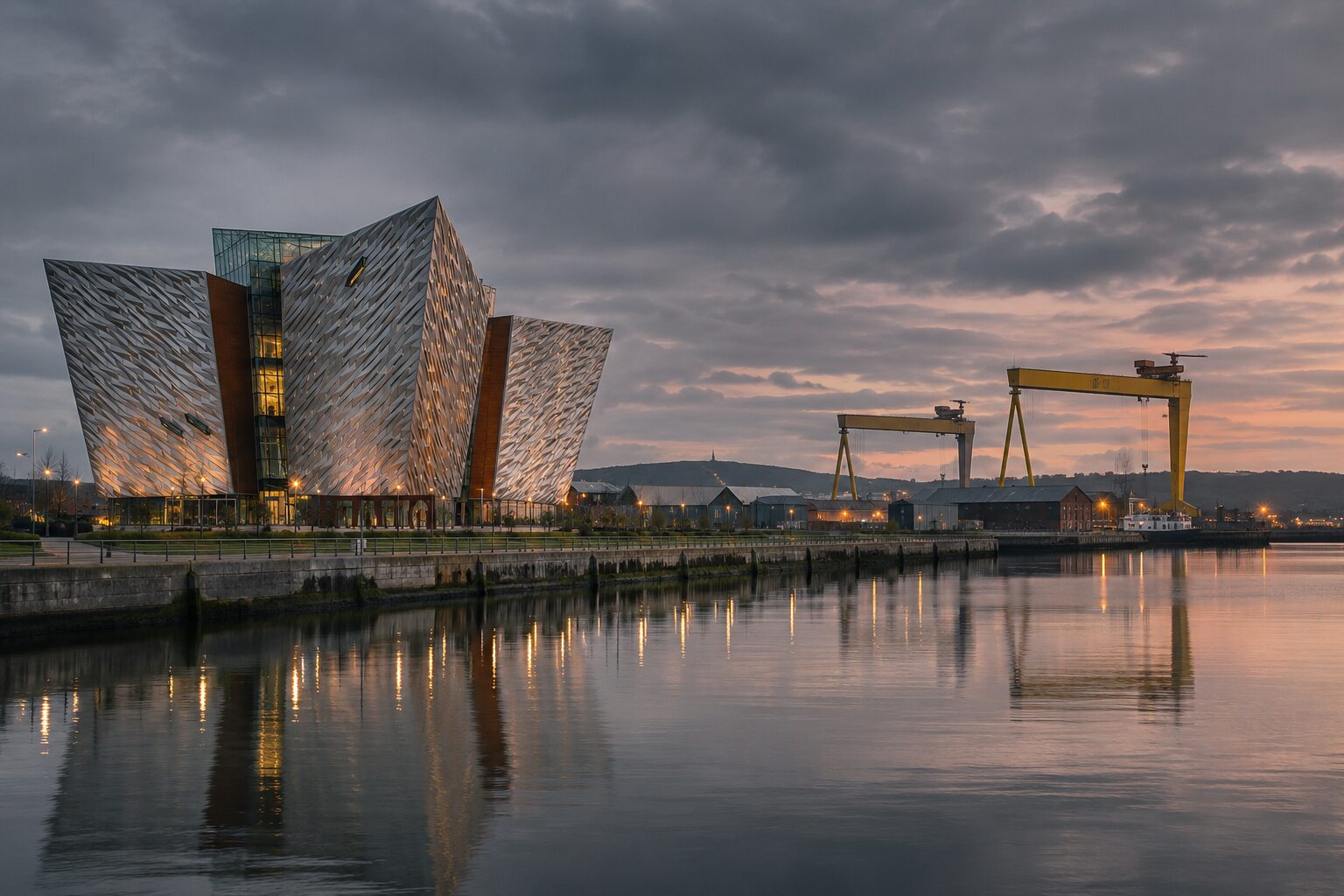
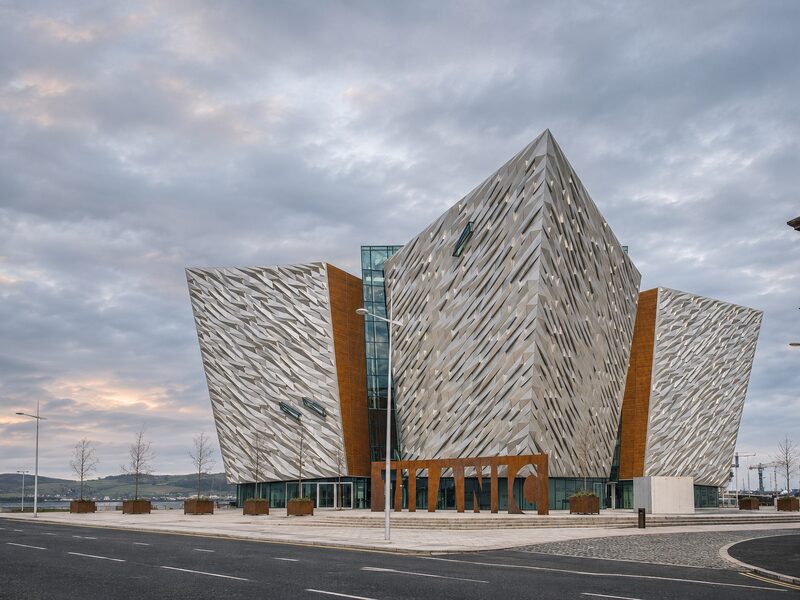
A six-storey landmark on the Harland & Wolff slipways, telling the ship's whole story from drawing board to the ocean floor.
Titanic Quarter
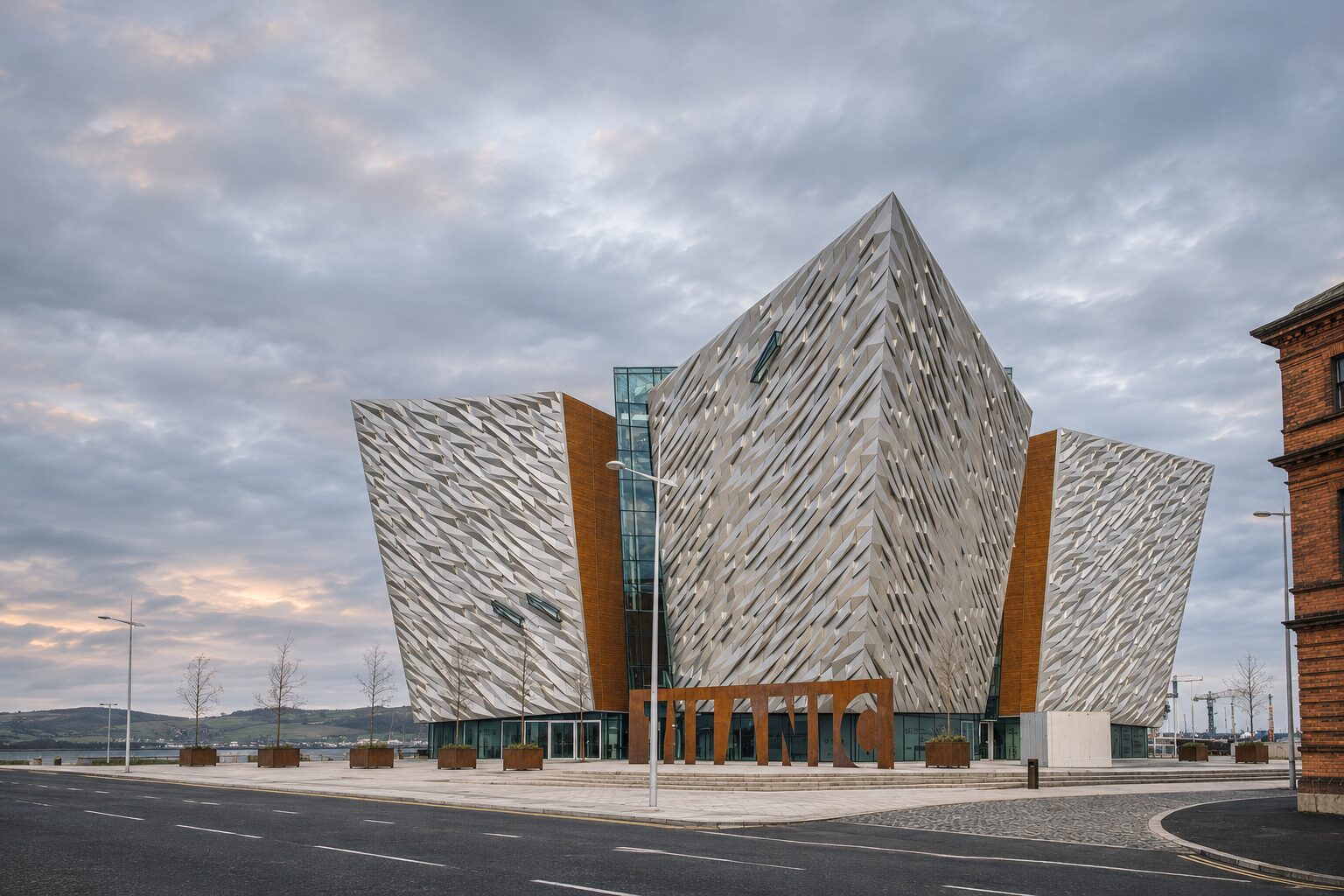
A six-storey landmark on the Harland & Wolff slipways, telling the ship's whole story from drawing board to the ocean floor.
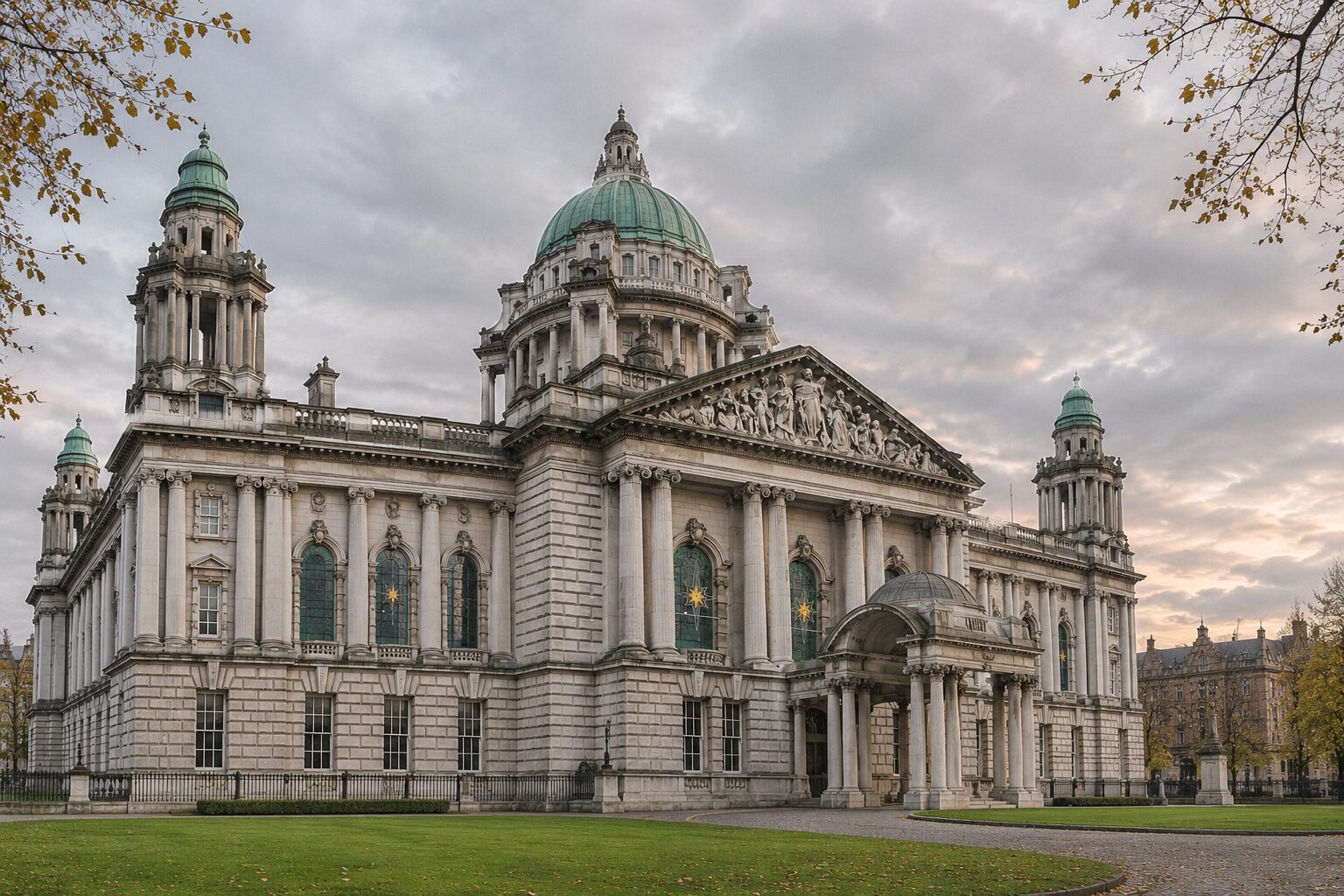
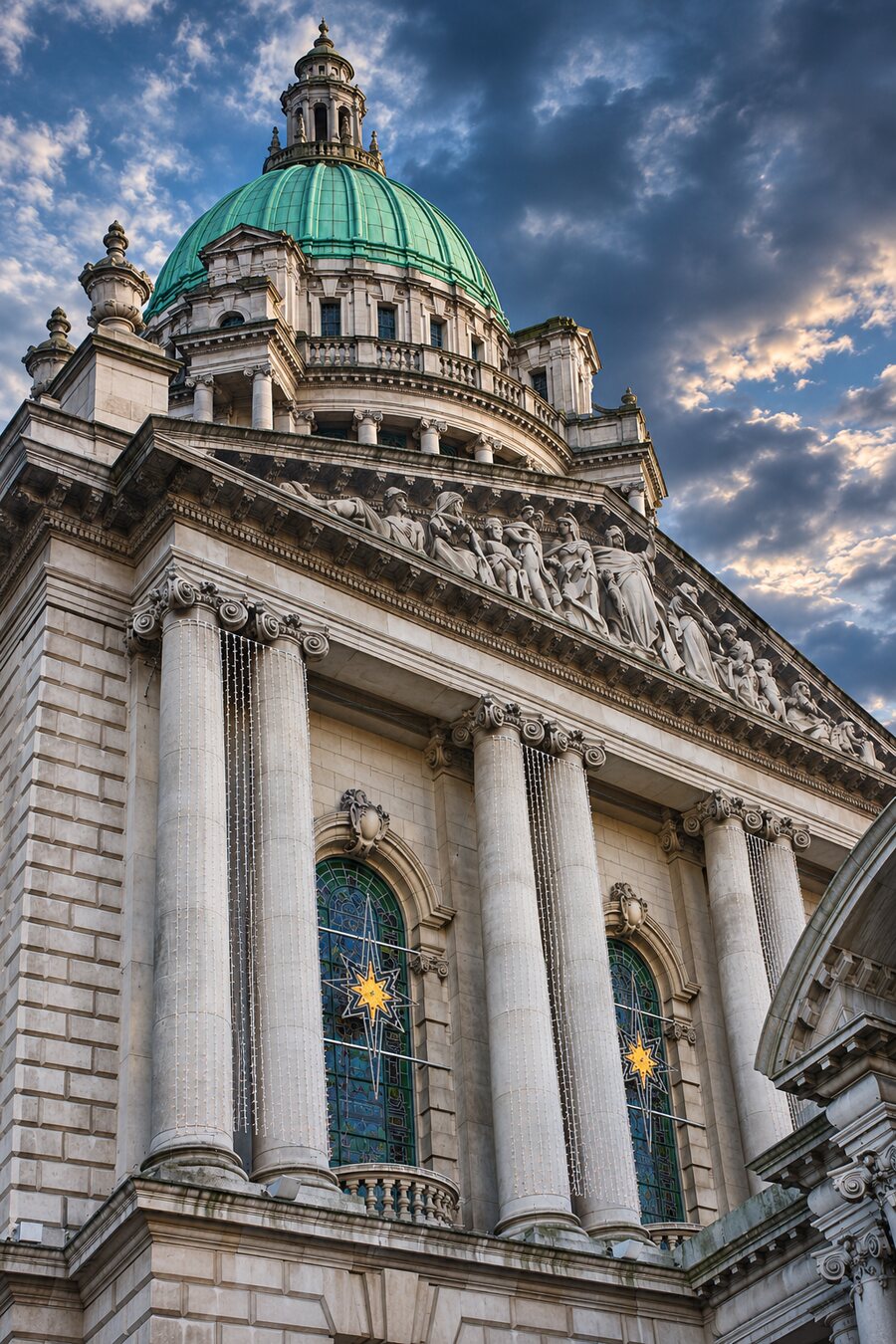
An Edwardian baroque palace in Portland stone, ringed by gardens and monuments at the city's exact centre.
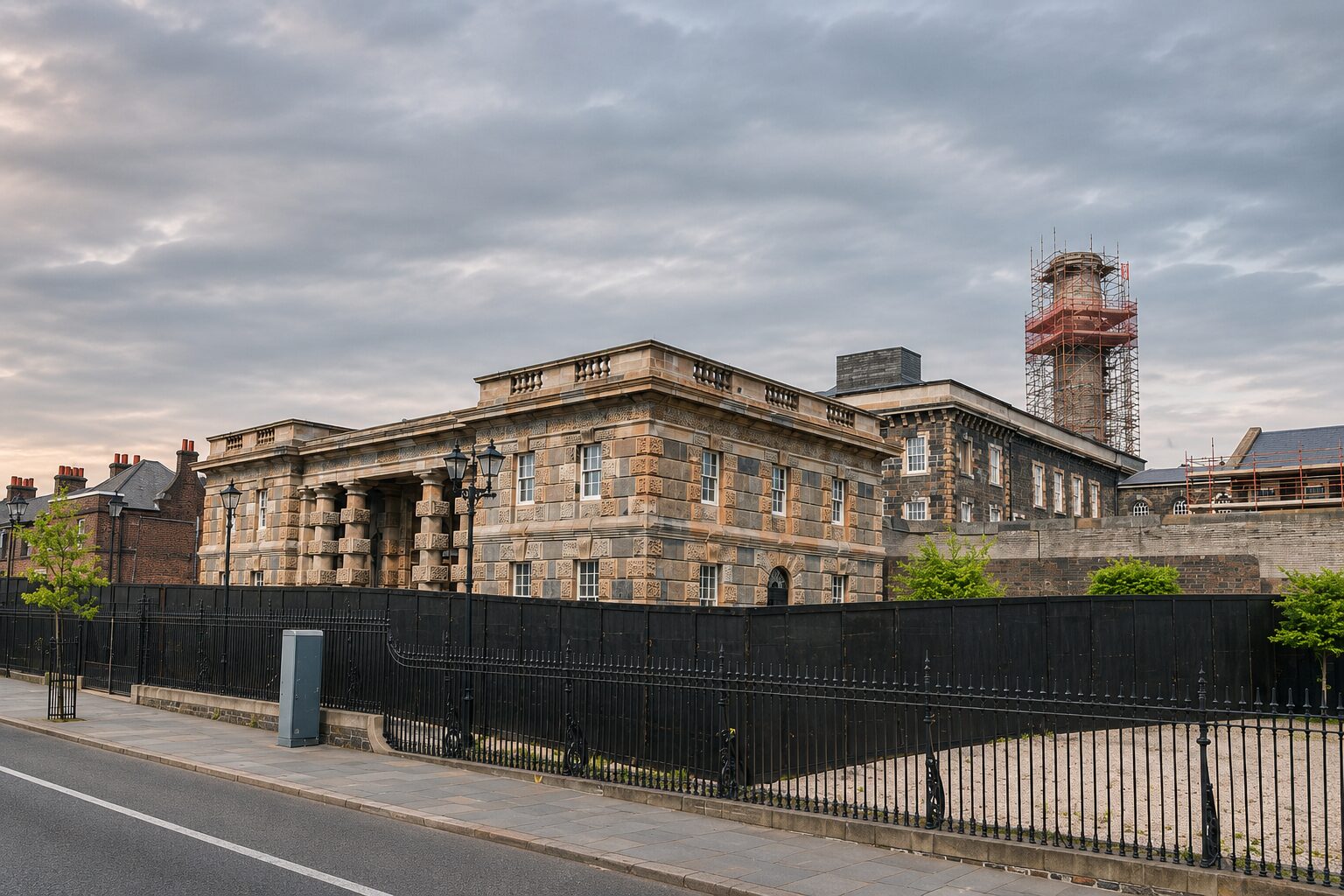
A restored 1845 jail where you walk the wings, the condemned cell and the tunnel to the courthouse opposite.
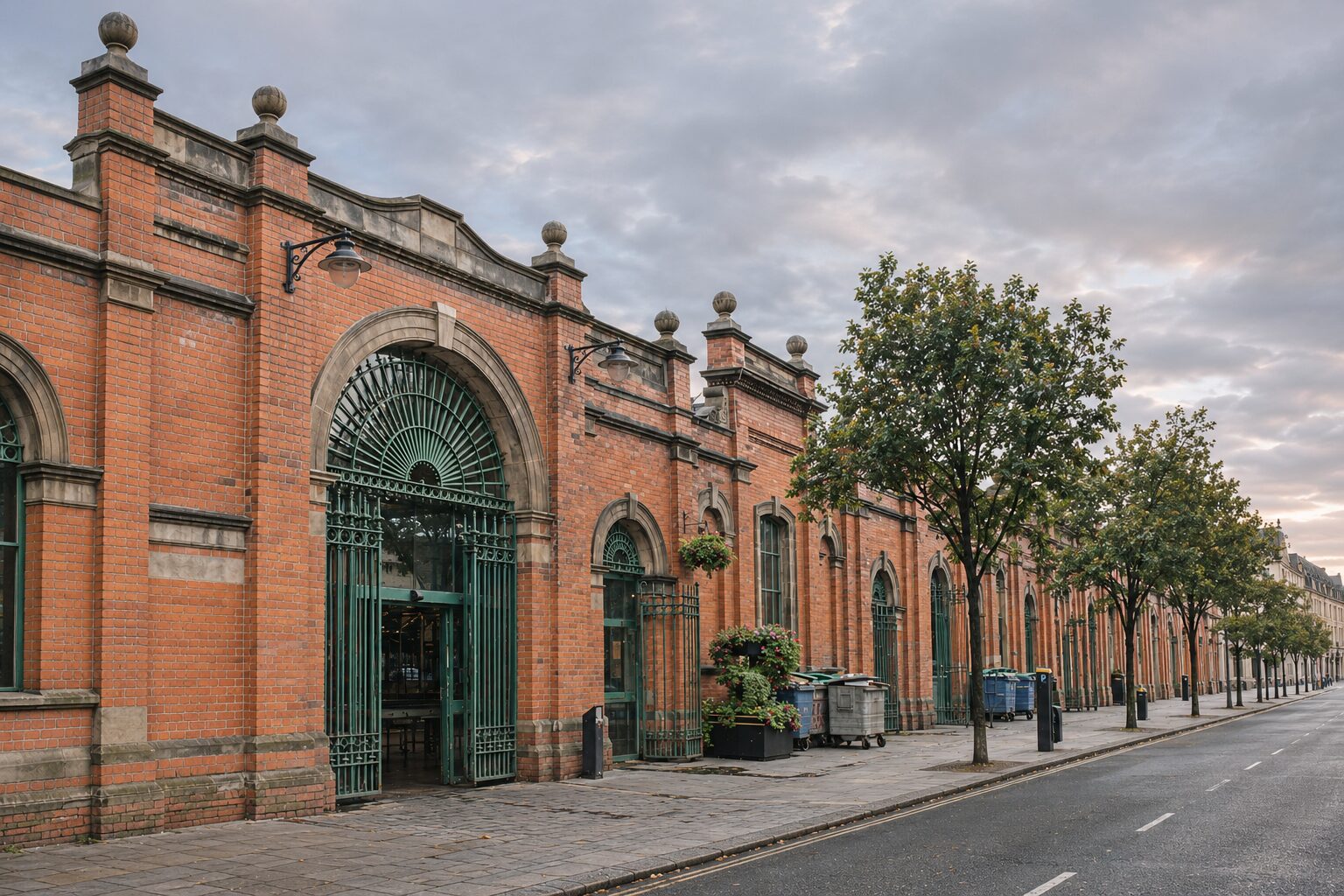
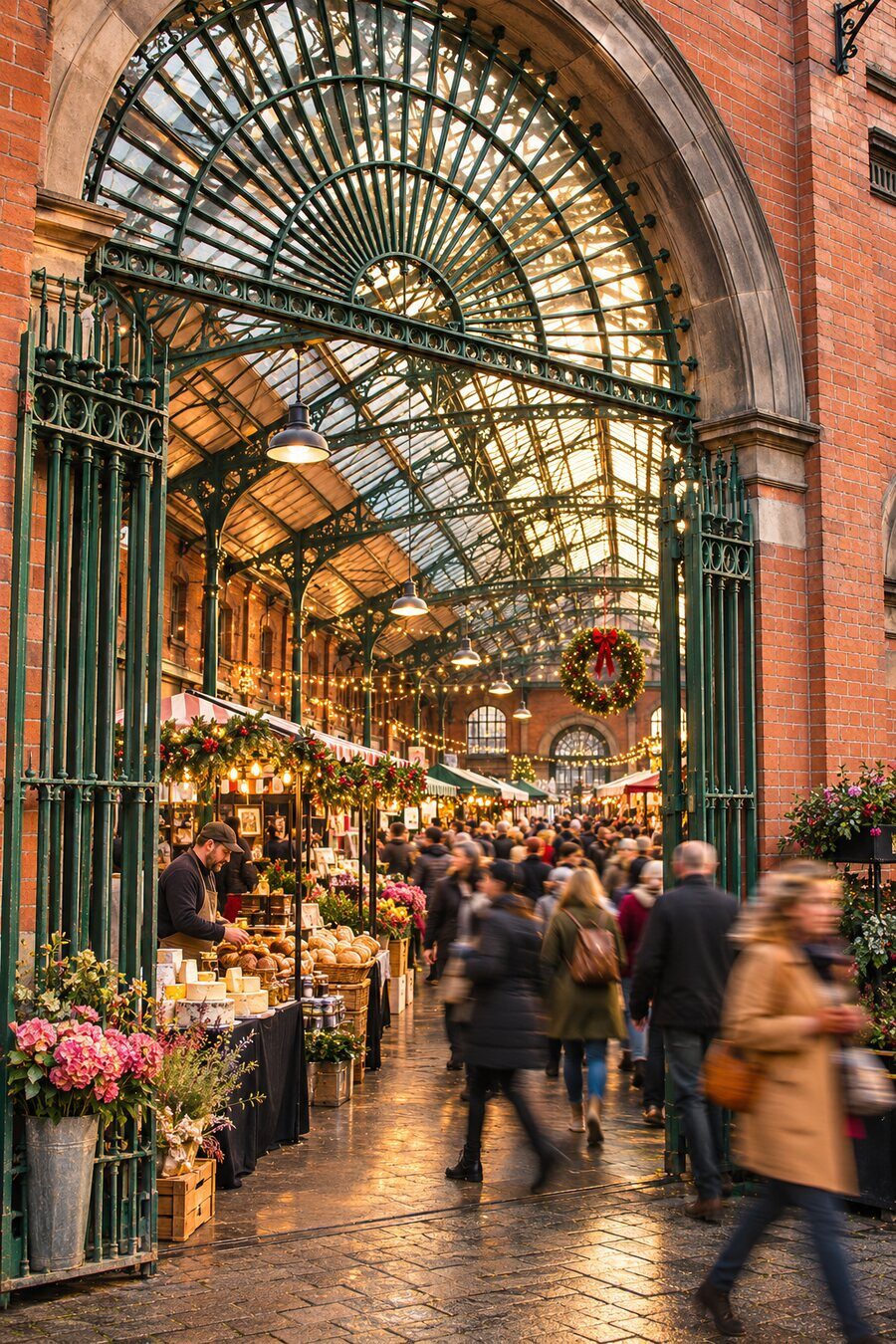
A brick-and-iron market hall from 1890, buzzing at weekends with producers, street food and live sessions.
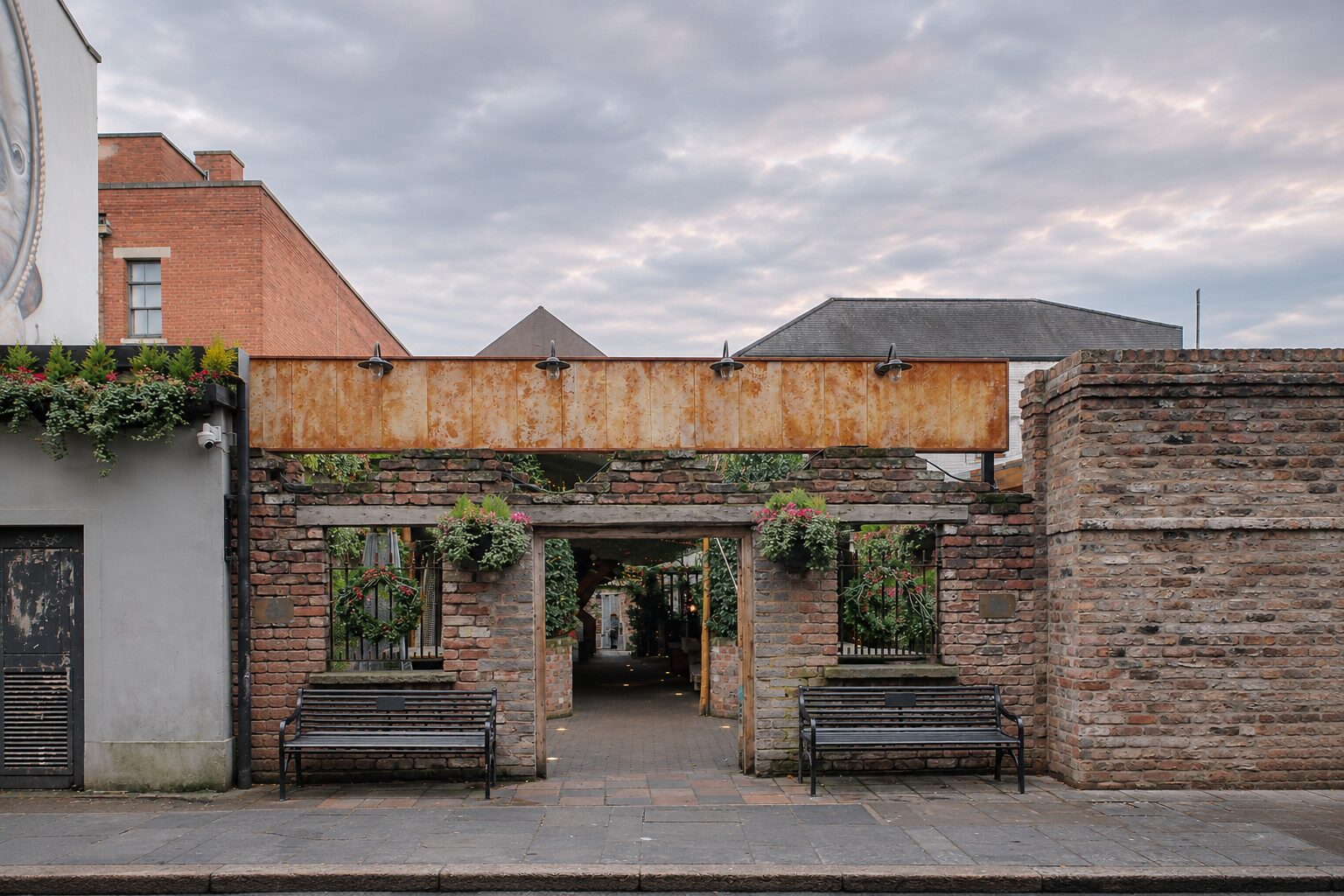
The city's cultural district — St Anne's Cathedral, entry-wide murals, galleries and the best bars and music.
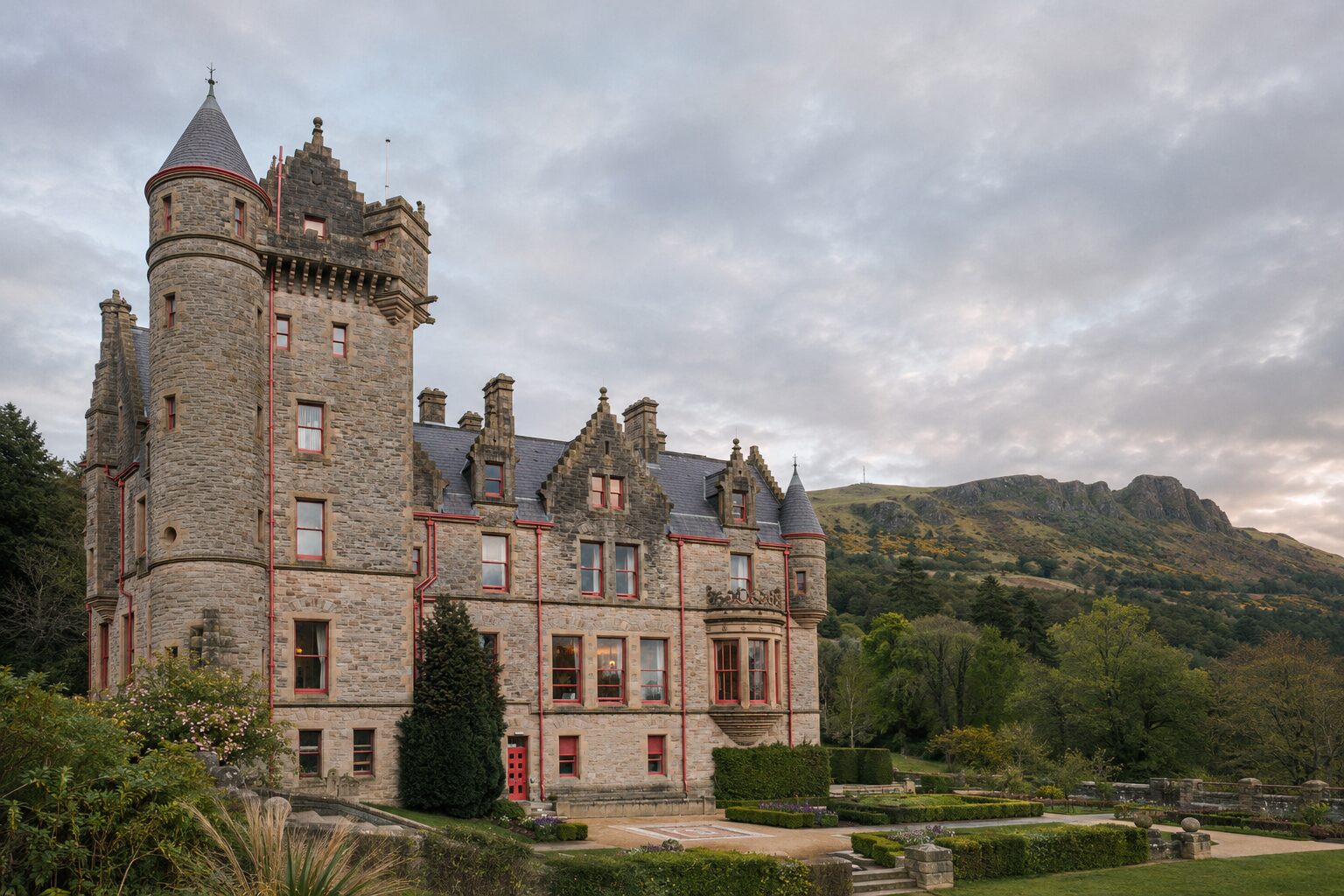
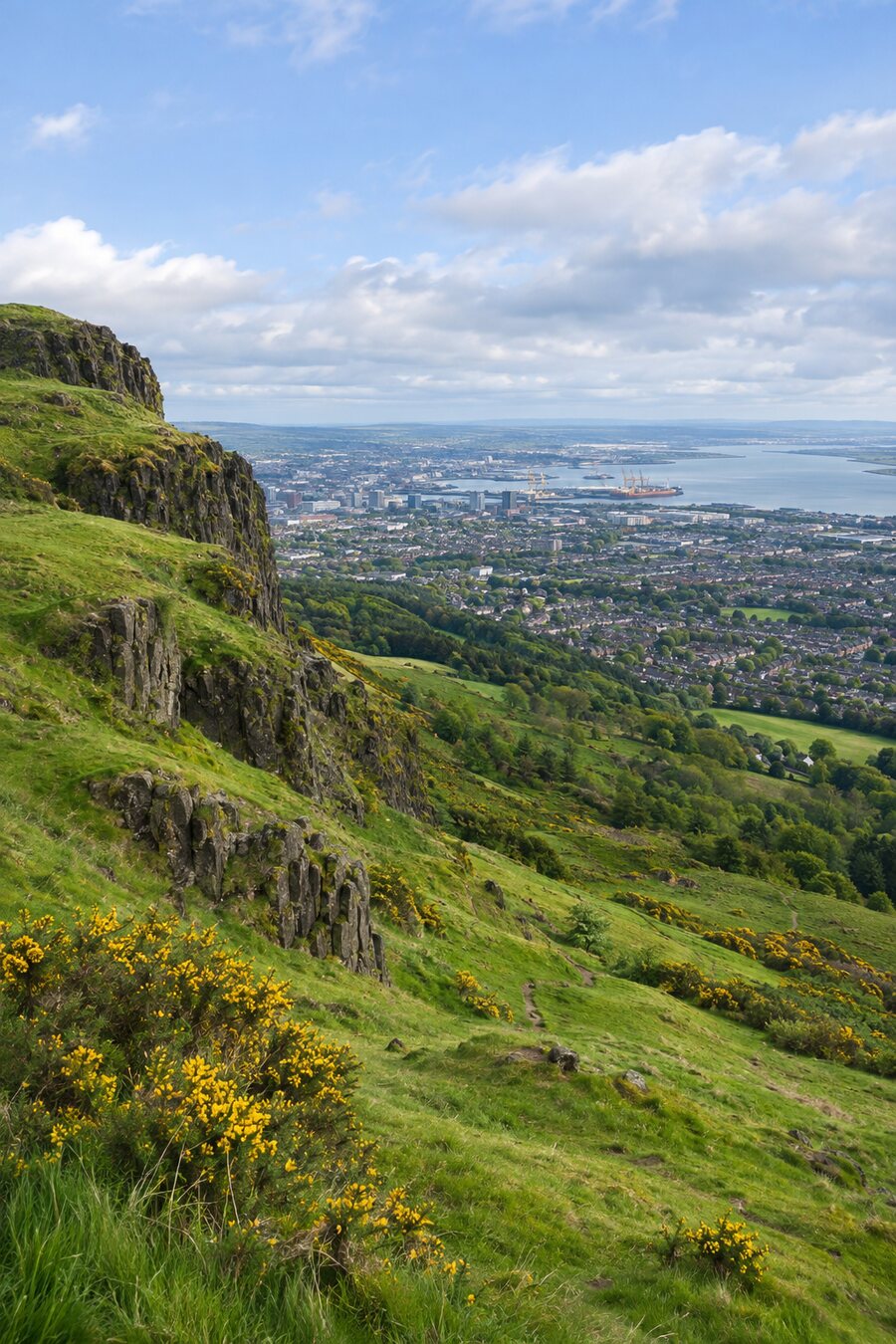
A country park climbing to a dramatic cliff, with a Scottish-baronial castle and panoramas over the whole city and lough.
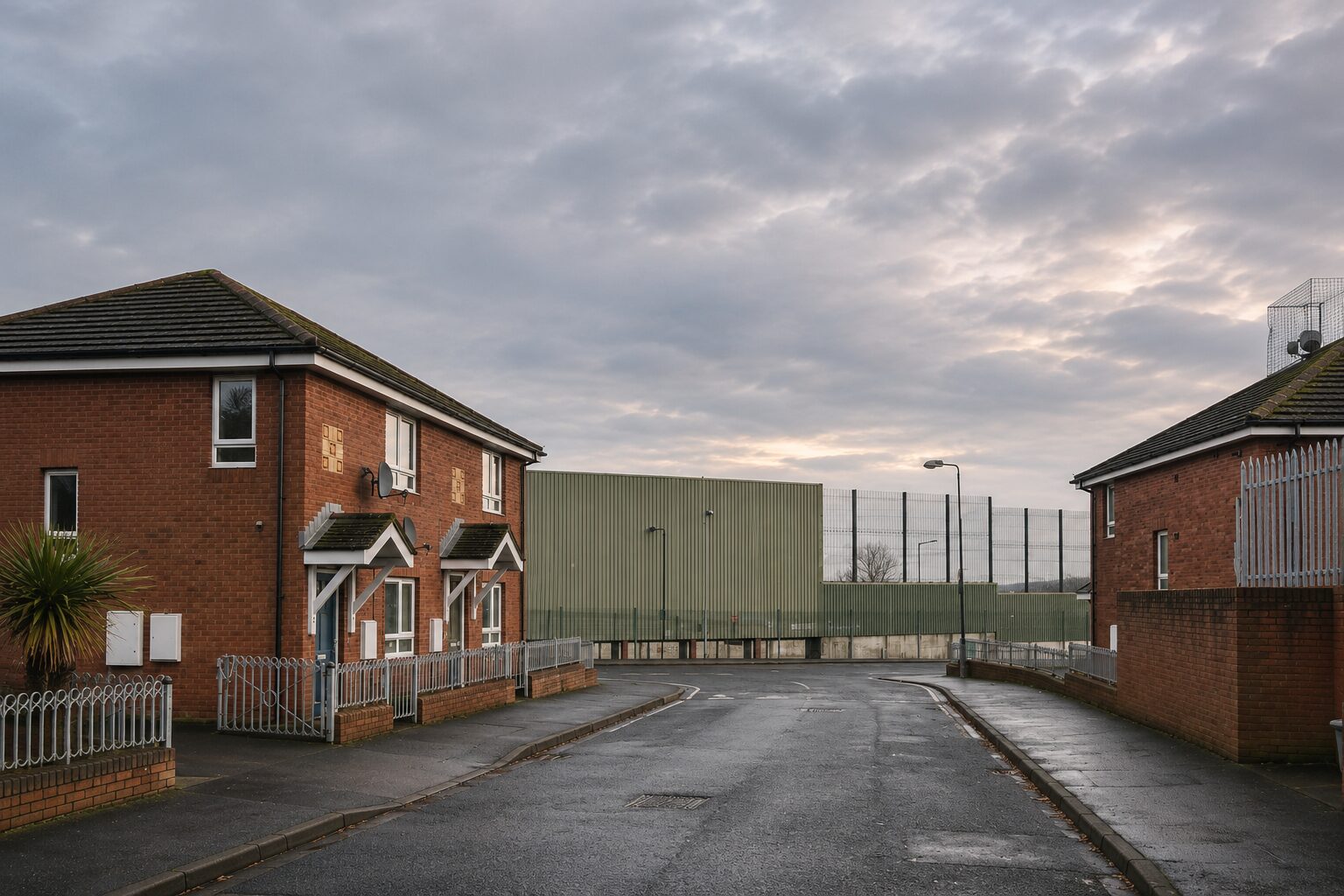
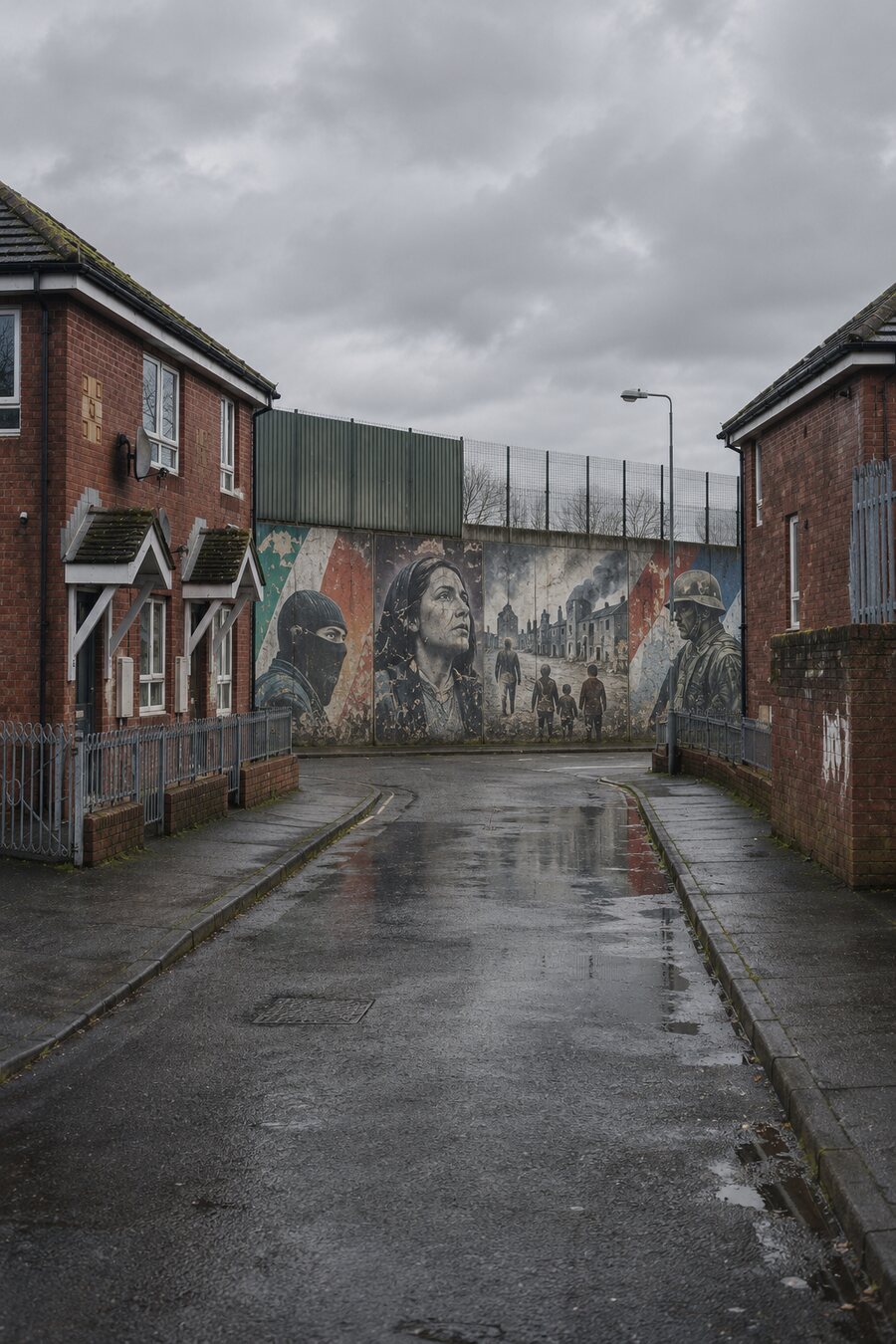
The political murals and peace lines of west Belfast, best understood on a local black-cab tour.
Belfast is a city you read on foot. From the slipways where the Titanic took shape to Victorian markets, basalt hills and street-corner murals, this is our working guide to where the city has been and where it's worth your time now.
A six-storey landmark on the Harland & Wolff slipways, telling the ship's whole story from drawing board to the ocean floor.
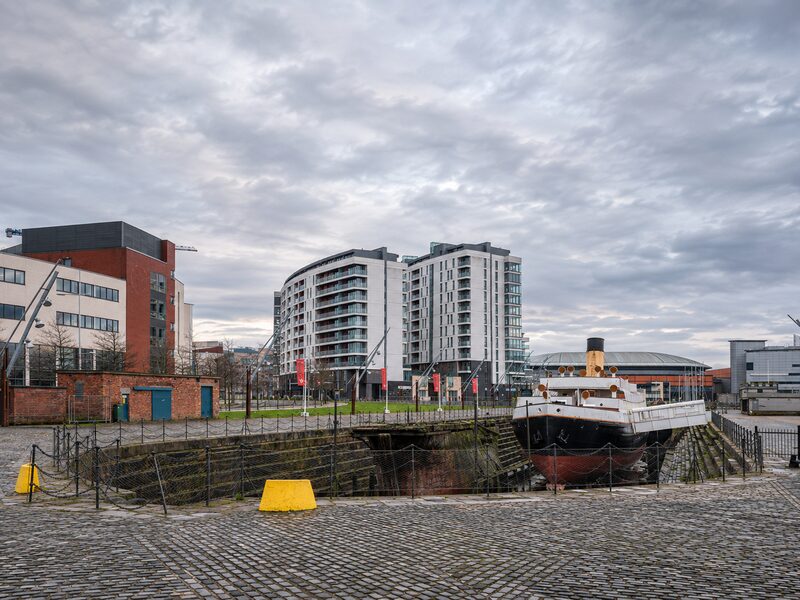
The tender that ferried first-class passengers out to Titanic at Cherbourg, now restored in her original Belfast dry dock.
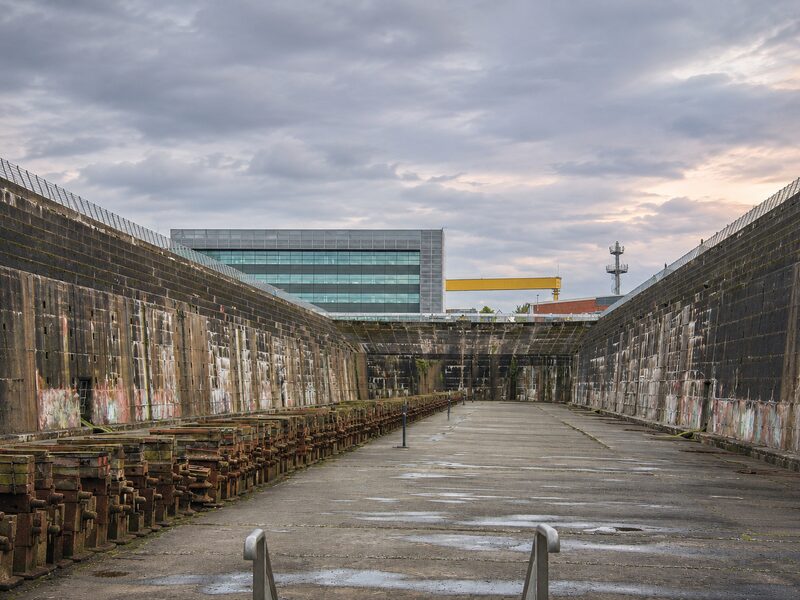
The vast graving dock built to fit the Olympic-class liners, with its original pump-house and engineering still in place.
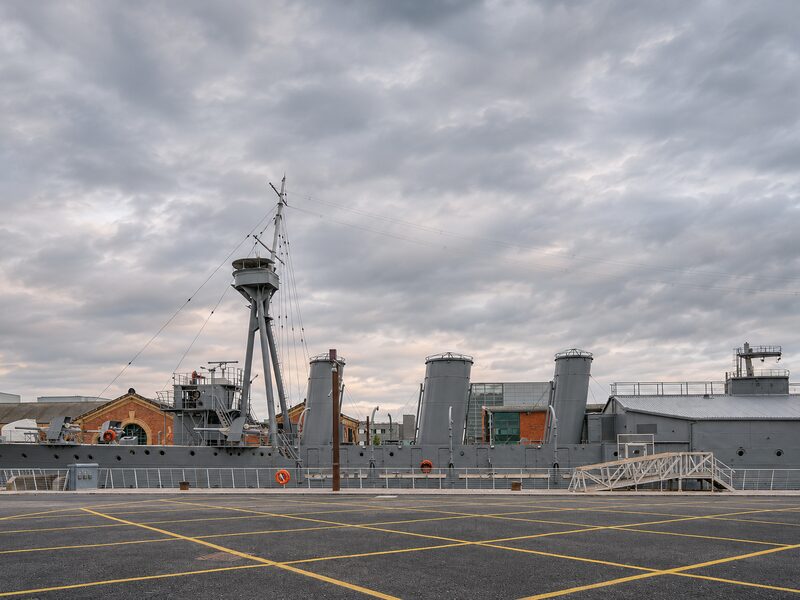
The last surviving Royal Navy ship from the Battle of Jutland, berthed in the Alexandra Dock.
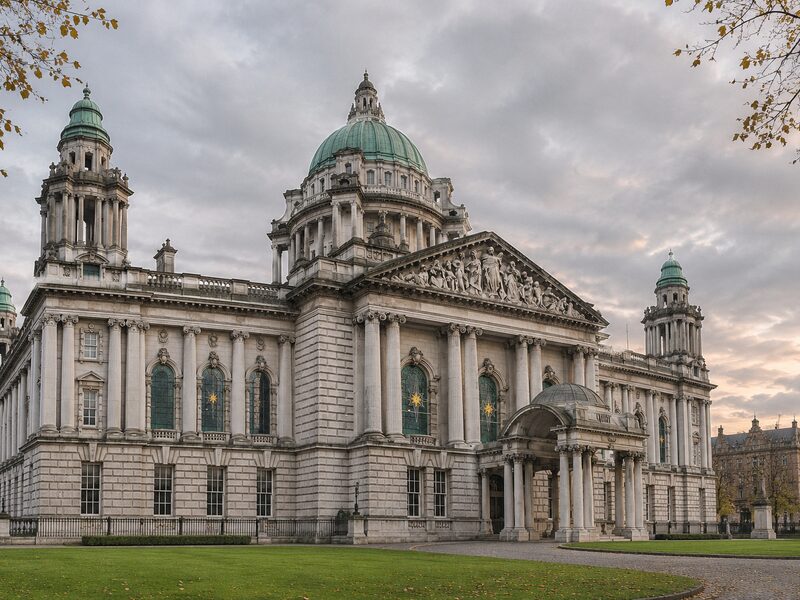
An Edwardian baroque palace in Portland stone, ringed by gardens and monuments at the city's exact centre.
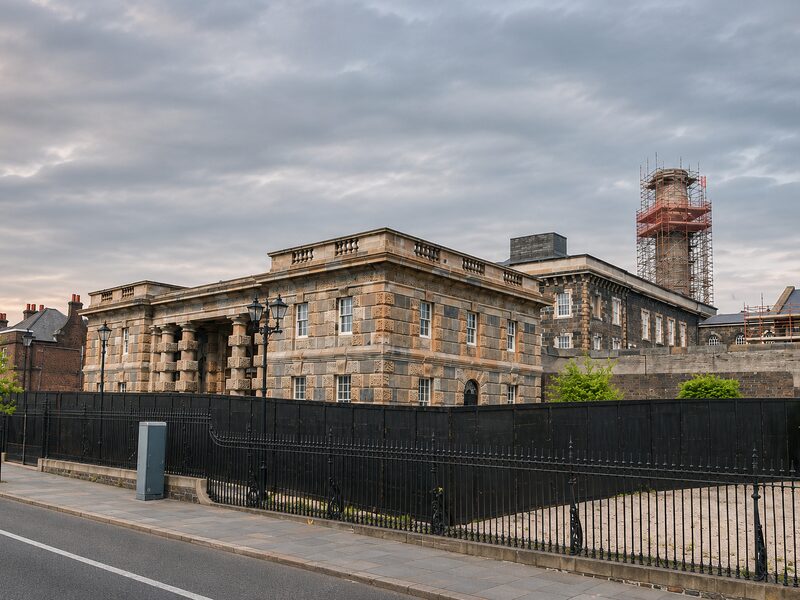
A restored 1845 jail where you walk the wings, the condemned cell and the tunnel to the courthouse opposite.
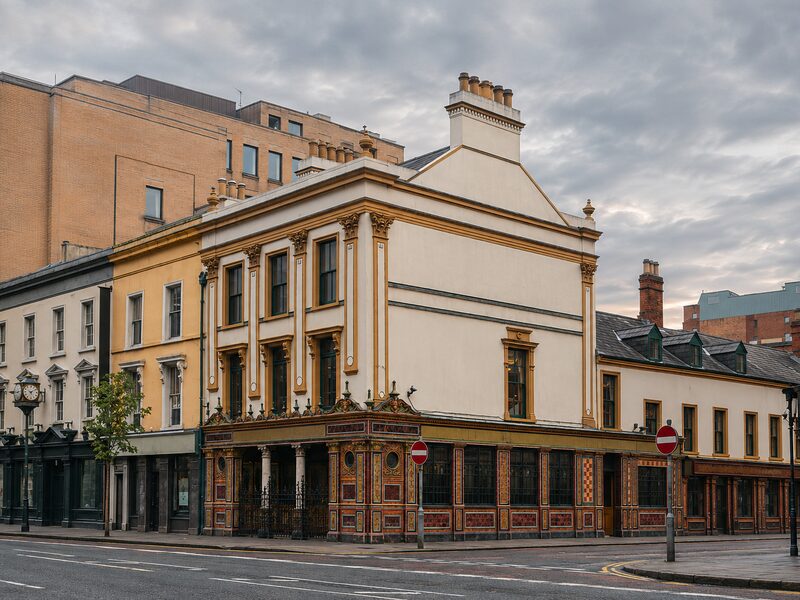
Belfast's most beautiful pub — carved snugs, stained glass and gaslight, opposite the Europa Hotel.
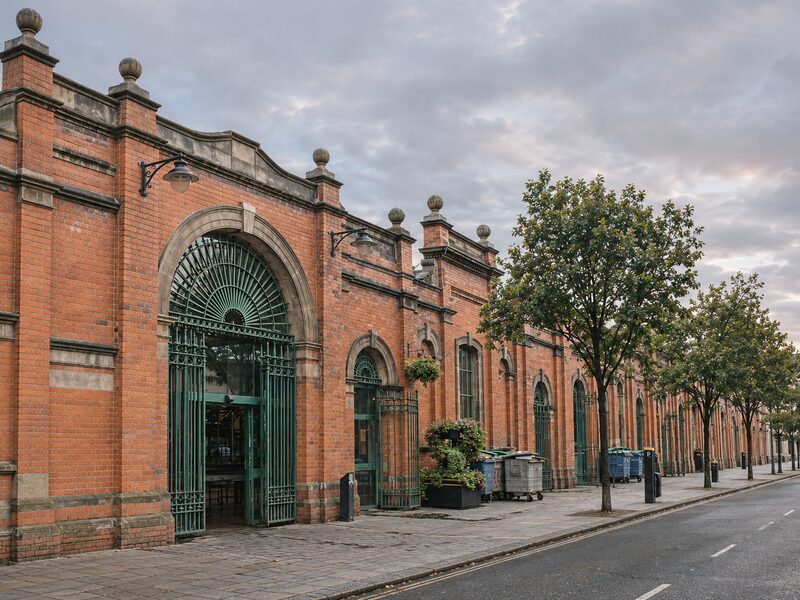
A brick-and-iron market hall from 1890, buzzing at weekends with producers, street food and live sessions.
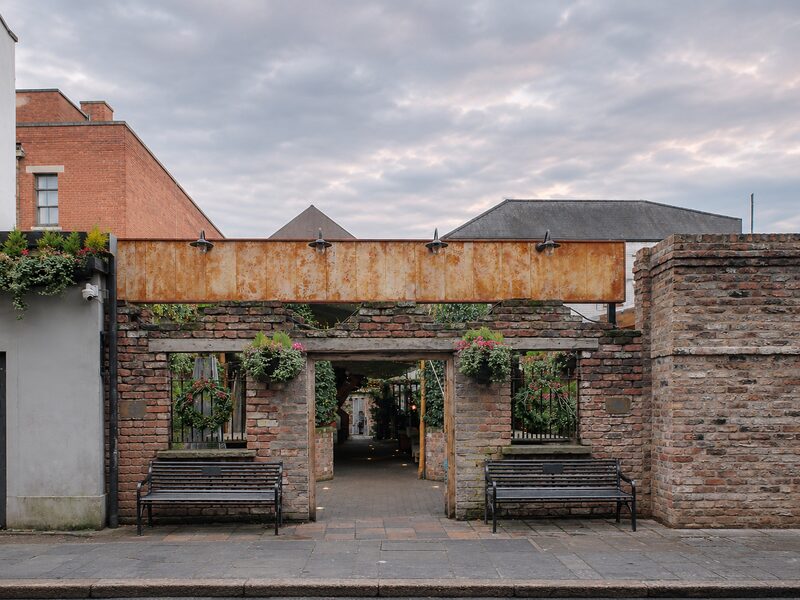
The city's cultural district — St Anne's Cathedral, entry-wide murals, galleries and the best bars and music.
Five ways to read the city — from the shipyards that built the Titanic to the hills and gardens that frame it.
The practical stuff — how to get around, when to come and how long to stay.
The centre is walkable; black-cab tours and the Glider bus cover the rest. The airport express runs to the city in about 30 minutes.
May to September is warmest and busiest. Spring and early autumn trade a little weather for quieter landmarks.
The Cathedral Quarter and city centre put you within walking distance of most sights, markets and nightlife.
Two full days covers the essentials; three lets you add Cave Hill, Stormont and a proper west-Belfast tour.
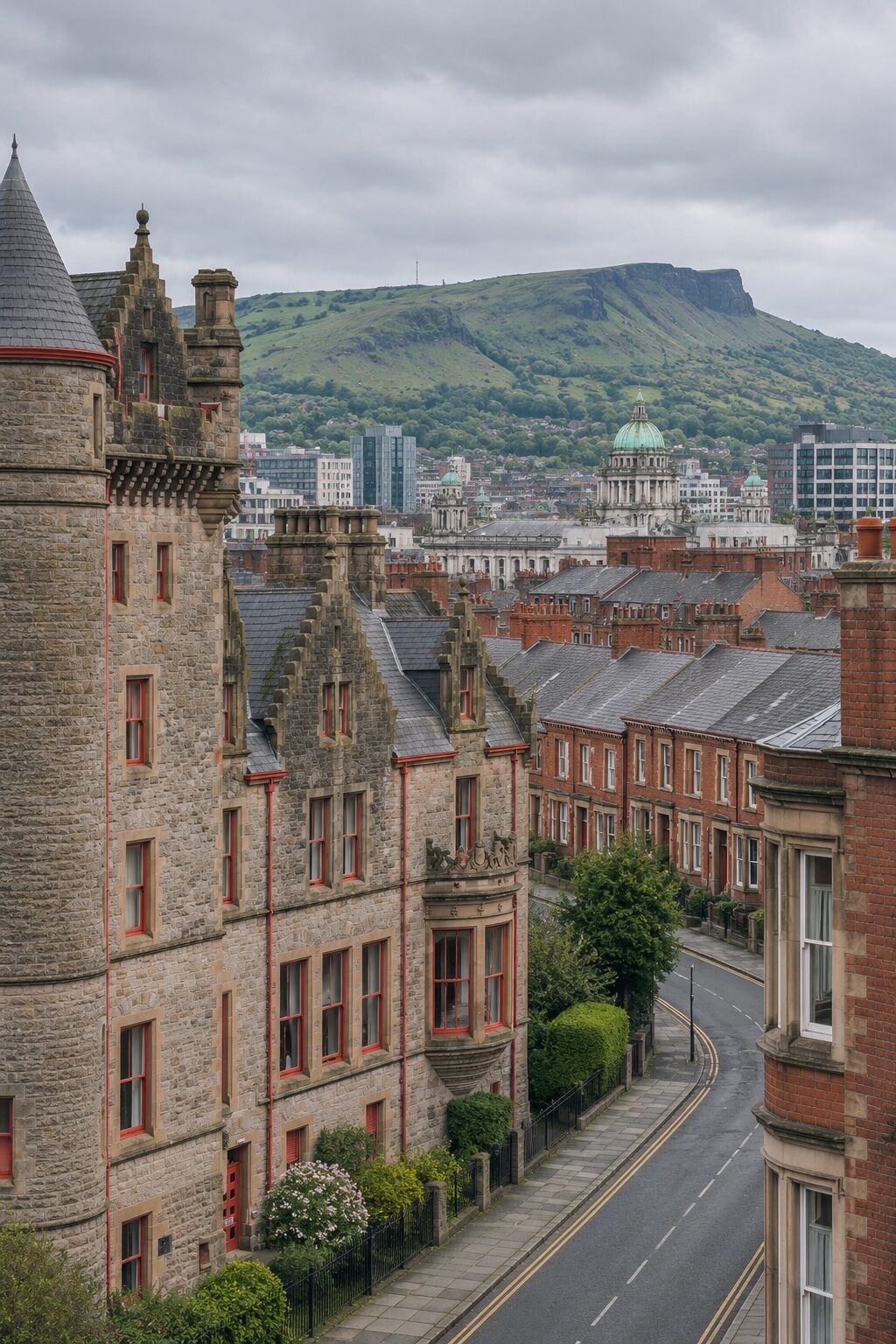
We write In Belfast the way we'd walk a friend around the city — honest about what's worth your time, clear about who each place suits, and alive to the history underneath every street. No scores out of ten, just a straight view on how and when to go.
Quick answers to the things visitors ask us most — and if yours isn't here, just ask us directly.
Ask a question ›The Titanic story is where most Belfast visits begin. Read our full guide to Titanic Belfast, then build your days around it.