Home › History
The story behind the guideThe history of Belfast, in four chapters
How a ford on the Lagan became Linenopolis, built the Titanic, lived through the Troubles and remade itself — the story underneath every street in this guide.
Belfast in eleven moments
Eight hundred years compressed into the dates that still shape what you see on the ground. Scroll across.
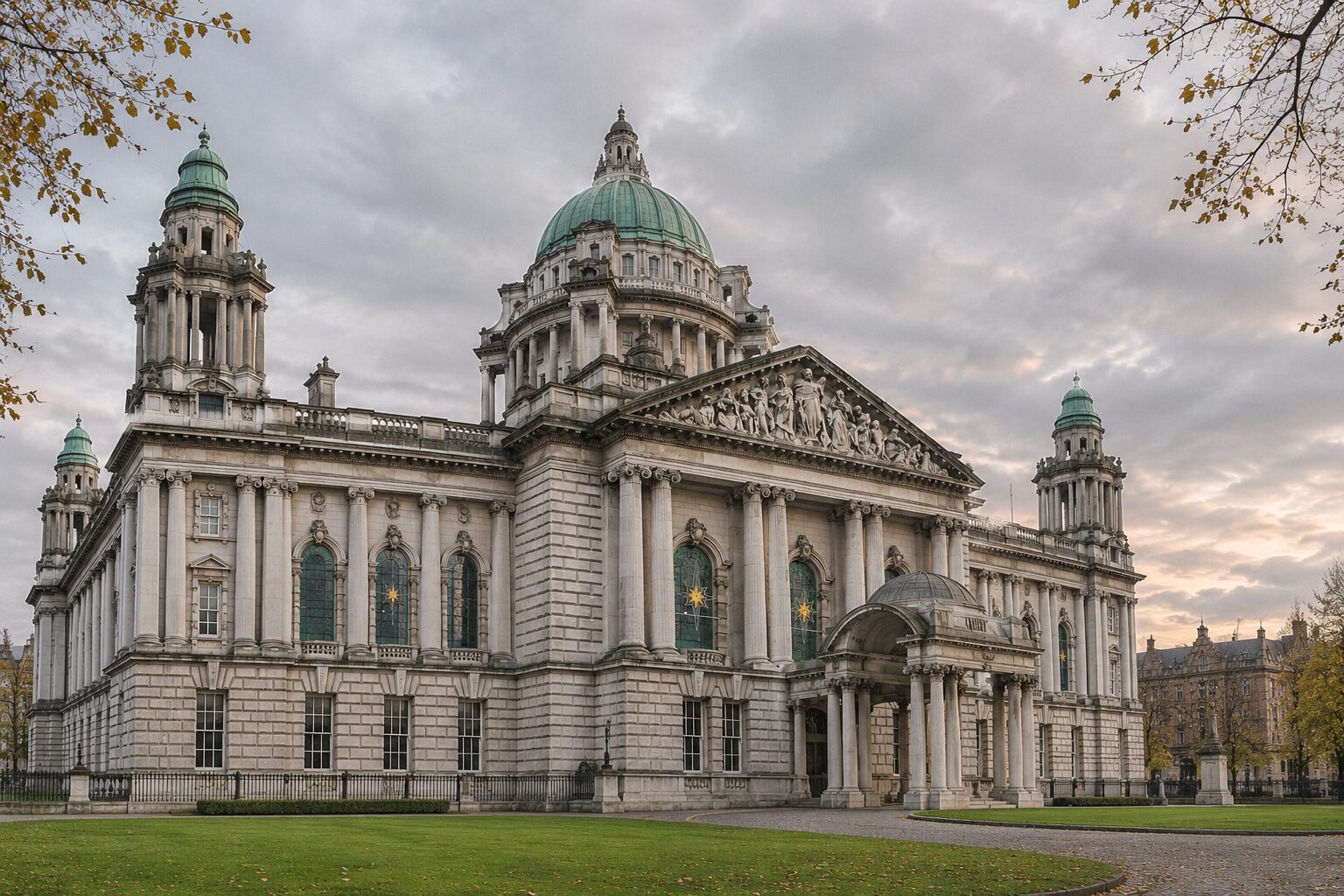
From ford to boomtown
Belfast grew up where the River Farset met the Lagan — the name comes from the Irish Béal Feirste, 'mouth of the sandbanks'. For centuries it was a modest settlement around a crossing and a castle, overshadowed by older Irish towns.
Everything changed in the eighteenth and nineteenth centuries. An influx of Huguenot and Scots-Presbyterian skill turned Belfast into the world capital of linen — 'Linenopolis' — and the wealth it generated built the warehouses, churches and grand civic buildings that still define the centre, among them Belfast City Hall.
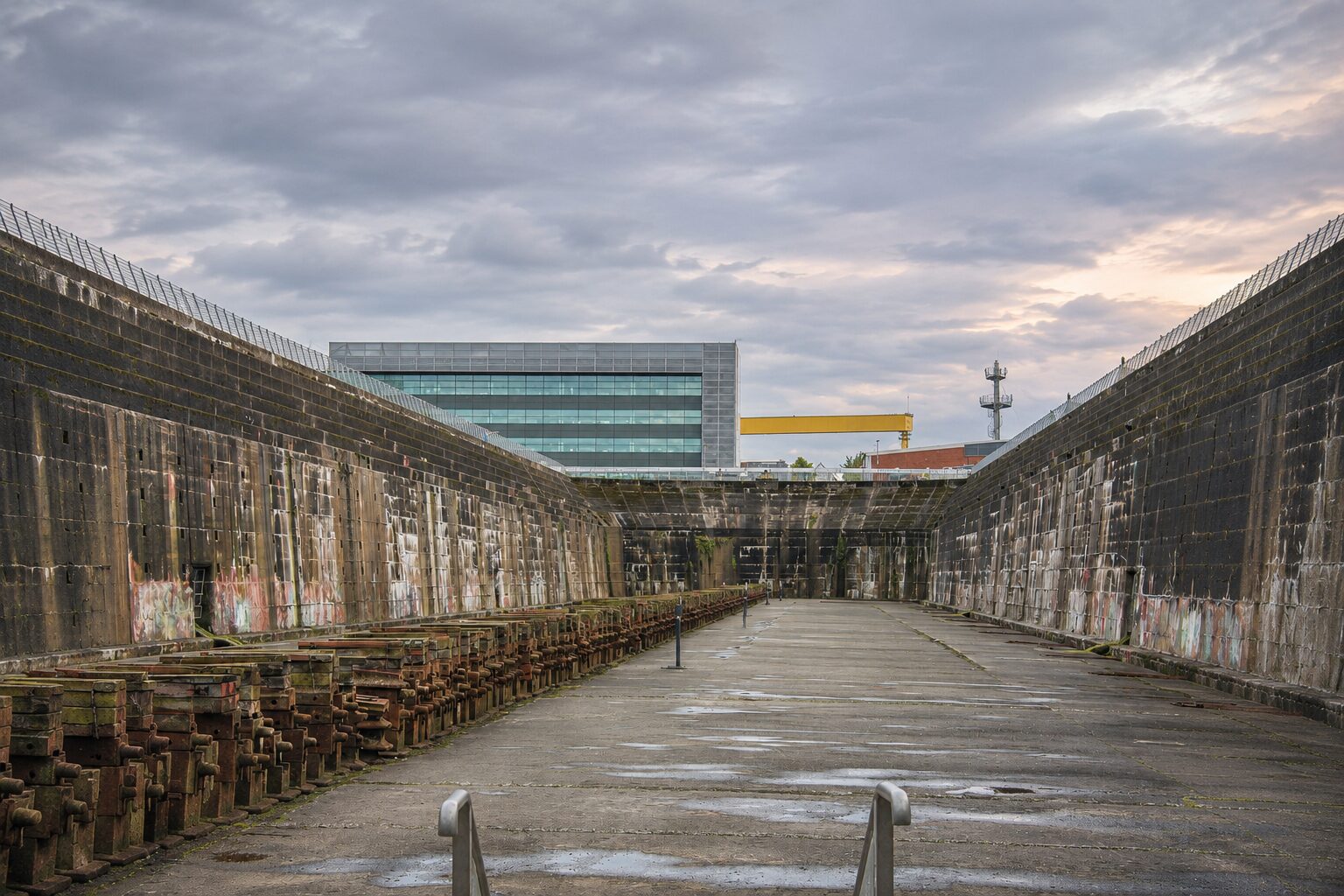
The city that built ships
Linen was joined by shipbuilding, rope-making, tobacco and engineering. On Queen's Island, the yard of Harland & Wolff became one of the greatest shipbuilders on earth, employing tens of thousands and launching the Olympic-class liners — among them RMS Titanic in 1911. You can still stand in the Thompson Dock and walk the story at Titanic Belfast.
By the time Belfast was granted city status in 1888 and opened its baroque City Hall in 1906, it was one of the industrial powerhouses of the British Empire.
A forest of mill chimneys and shipyard cranes — for a moment, Belfast was one of the industrial powerhouses of the Empire.
— In Belfast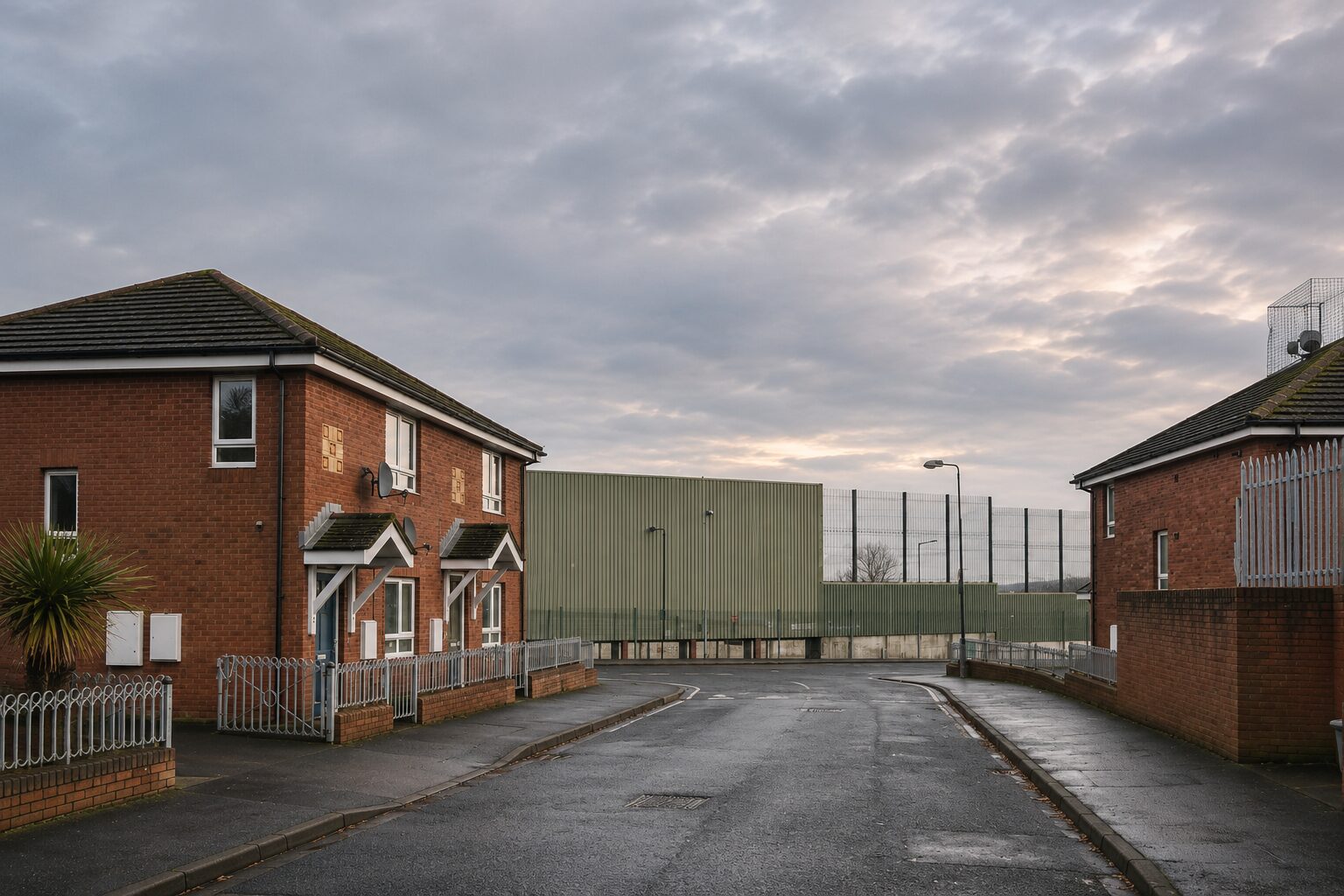
Division, conflict and the Troubles
Belfast's twentieth century was scarred by the conflict known as the Troubles, which from the late 1960s set unionist and nationalist communities, and the state, against one another for three decades. Walls went up between neighbourhoods, and the city carried more than its share of loss.
That history is not hidden here. The murals and peace walls of the Falls and Shankill, and the honest galleries of the Ulster Museum, let visitors engage with it thoughtfully — usually best with a local guide who lived through it.
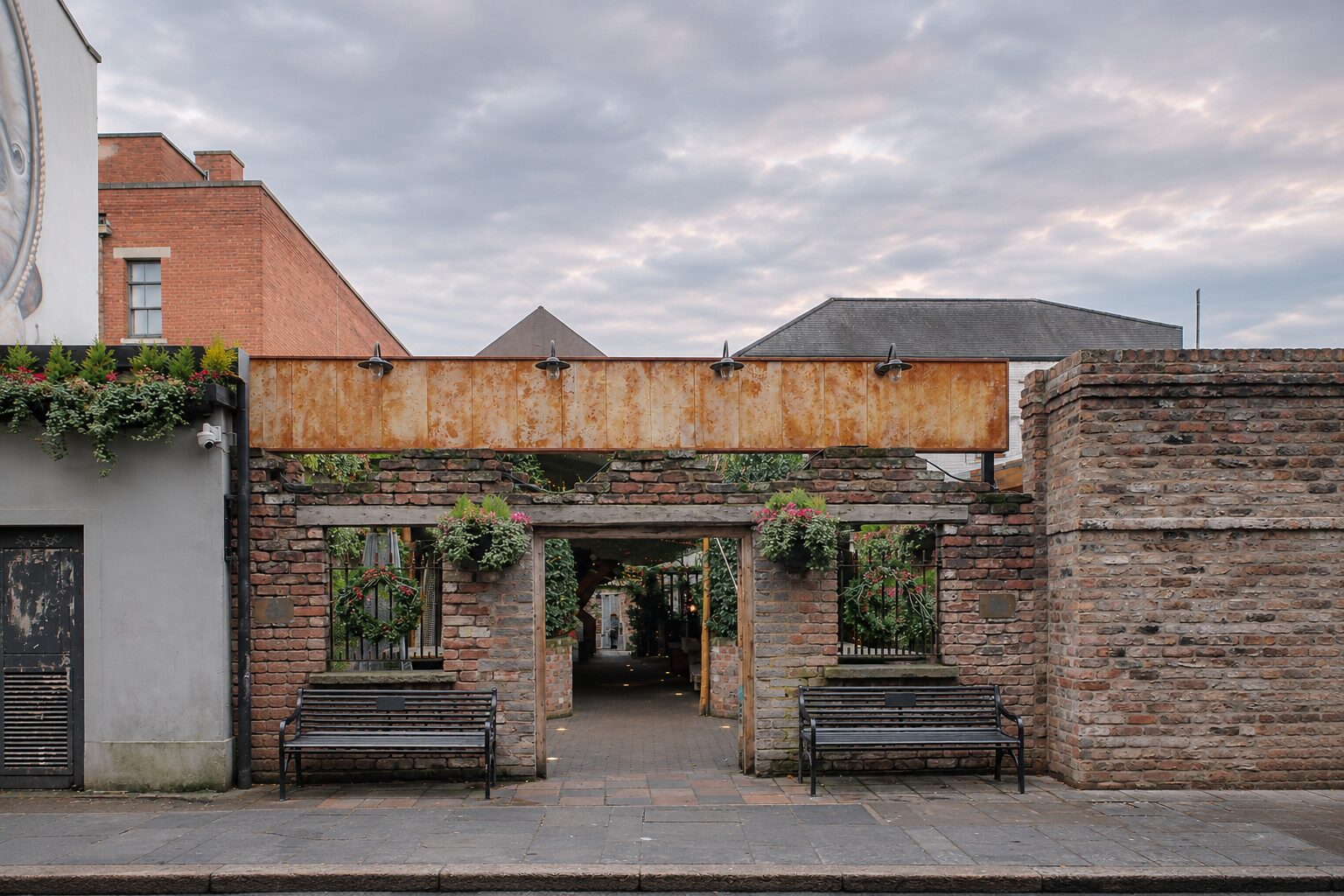
A city reborn
The Good Friday Agreement of 1998 opened a new chapter. The old shipyard lands became the Titanic Quarter; the Cathedral Quarter filled with bars, galleries and festivals; and the waterfront that few would once have walked is now lined with sculpture — including the Big Fish — and cafés.
Today's Belfast holds all of this at once — the linen and the ships, the conflict and the recovery, the Victorian grandeur and the new creative energy. Reading those layers, street by street, is exactly what this guide is for.
Places that tell this story
Walk the history above through the landmarks that lived it.
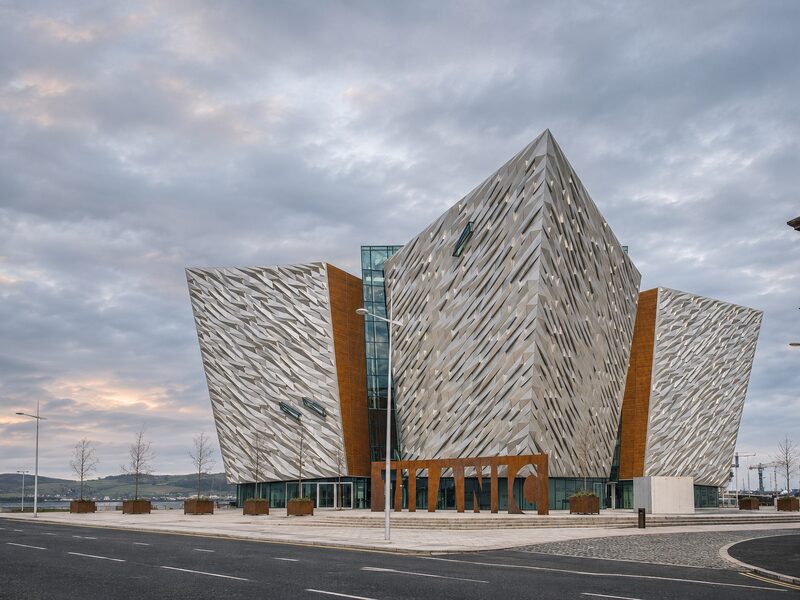 Titanic BelfastThe ships — where the story was built›
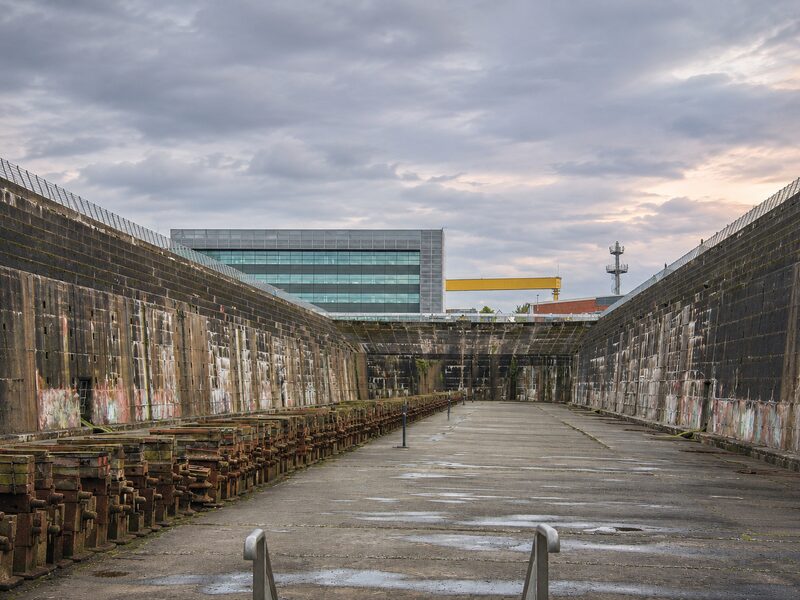 Thompson Dock & Pump-HouseStand where the Titanic was fitted out›
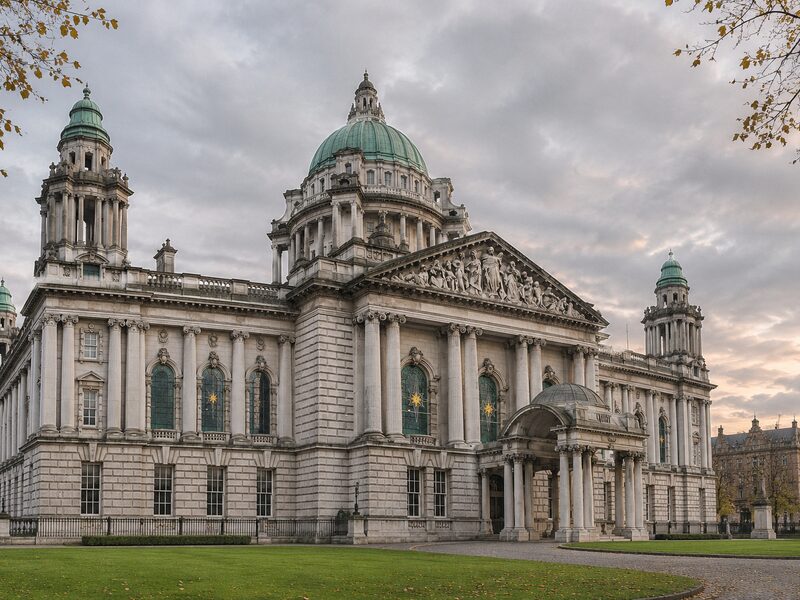 Belfast City HallThe wealth of linen, carved in Portland stone›
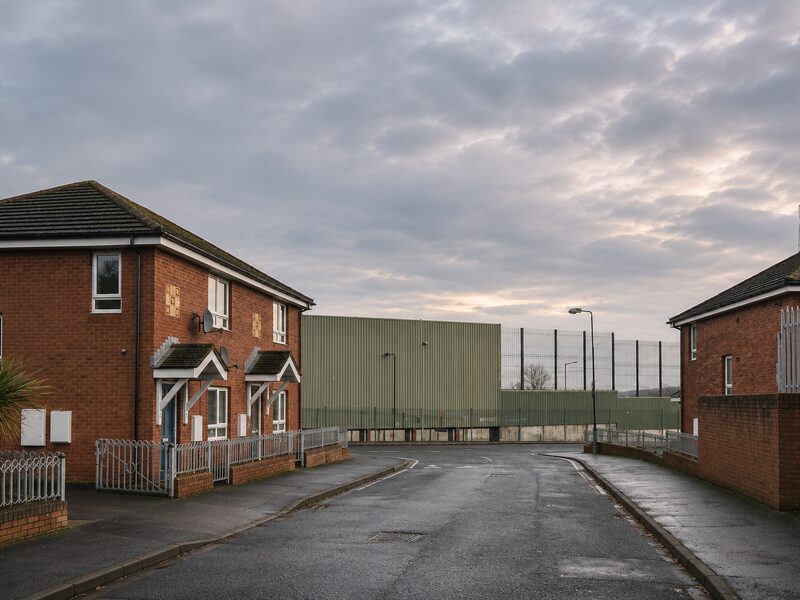 The Peace Walls & MuralsThe Troubles, read honestly on the ground›
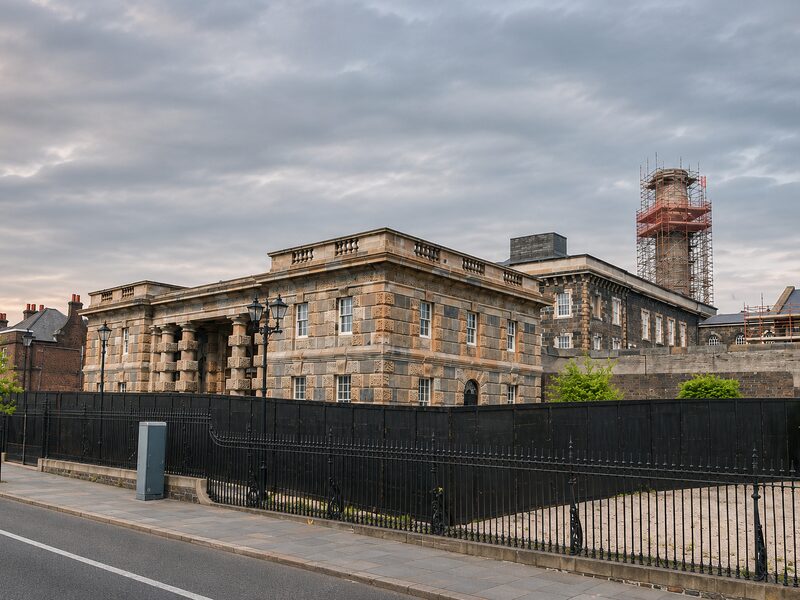 Crumlin Road GaolA Victorian jail that outlived three centuries›
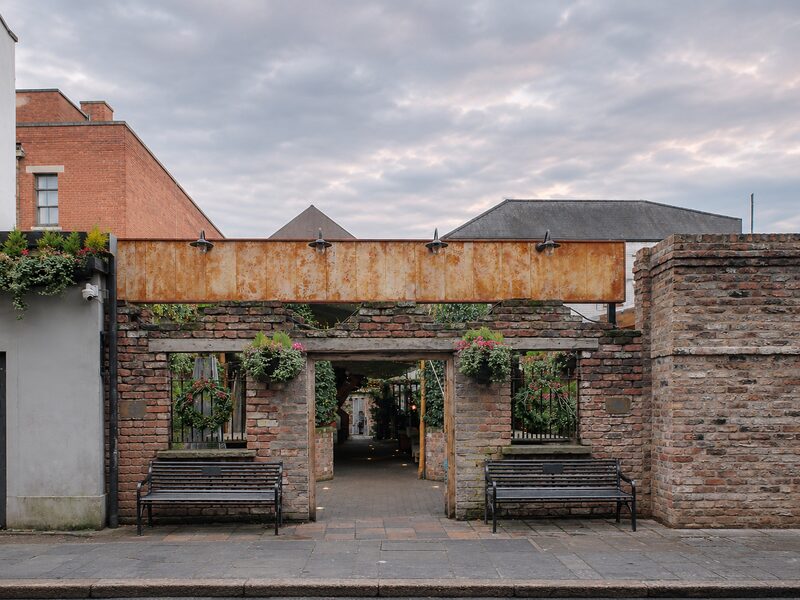 Cathedral QuarterThe reborn creative heart of the city›